Contents 6
Twenty-five kilometres from Banja Luka and several centuries back at the same time, Krupa na Vrbasu has a way of slowing everything down. Water, stone, an old watermill and the smell of buckwheat flour being ground right now, while you stand and watch. Then you come across a sign saying “buckwheat fritters with kajmak”, and nothing else matters any more.
A watermill that still grinds
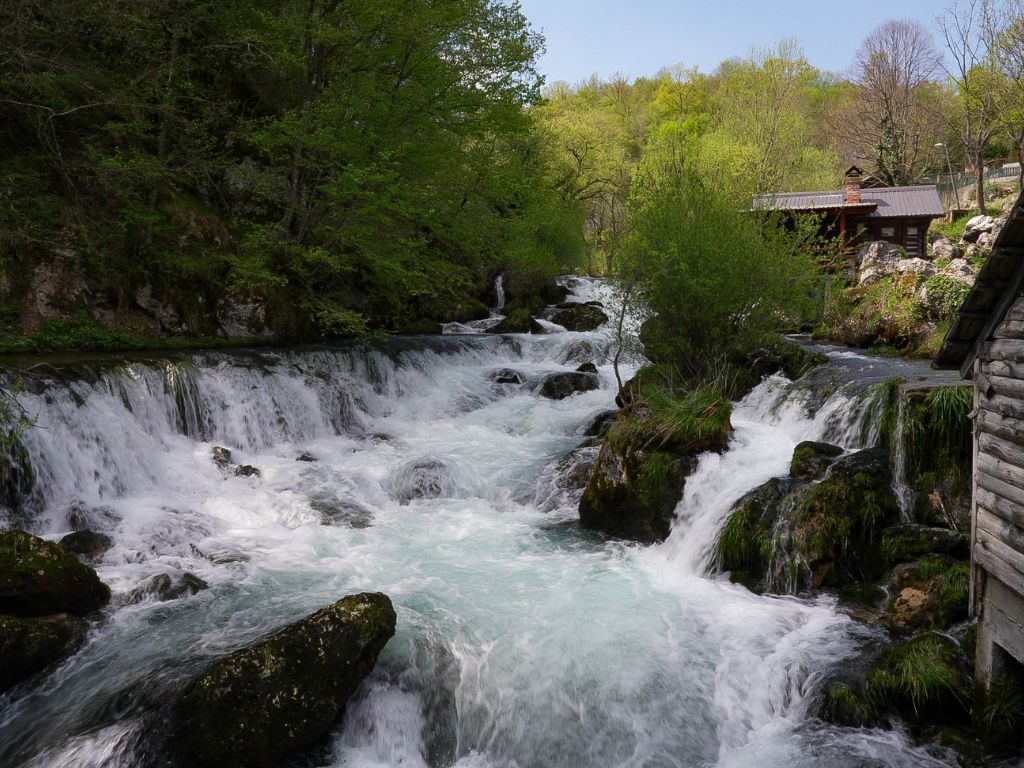
Just twenty-five kilometres from Banja Luka, in Krupa na Vrbasu, a place named one of the world’s best tourism villages in 2023, stands a watermill that is not a museum piece. It works. The river still turns the millstones that grind flour the way it has been done for centuries: slowly, thoroughly and without the rush of industrial production.
The buckwheat flour made here is not what you buy in a shop; it starts as grain grown in this area. The difference is in everything: grain ground on stone, a temperature that does not destroy the nutrients, a texture finer and richer than machines can achieve. And you taste that difference in the very first fritter.
A family story that goes on
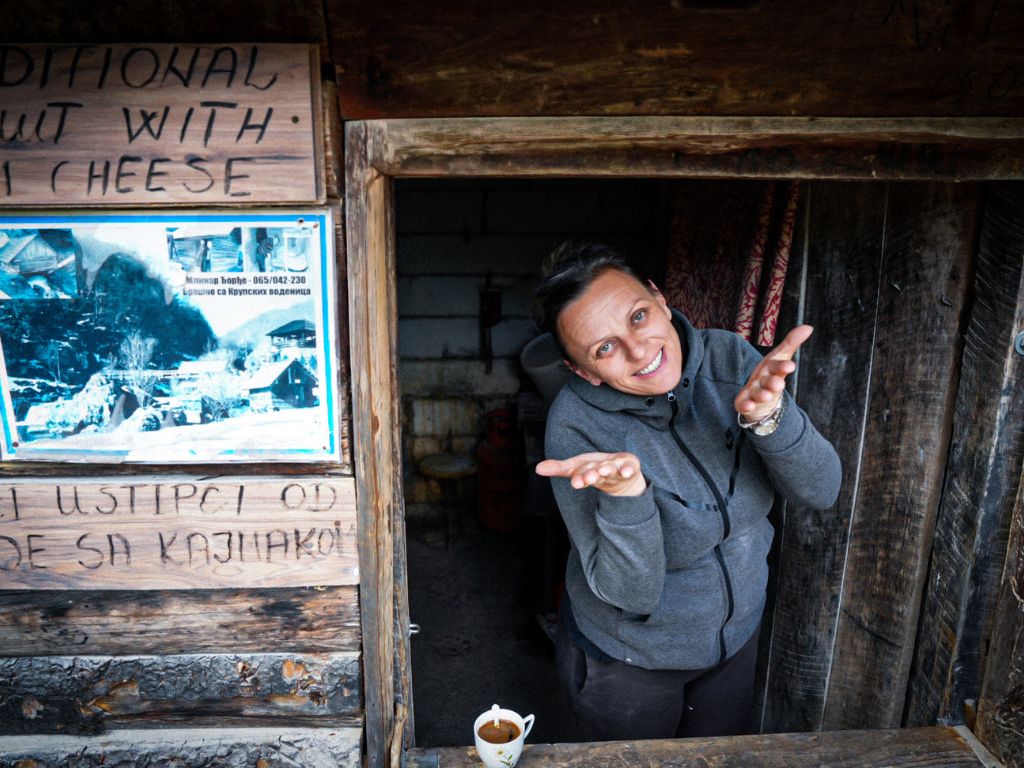
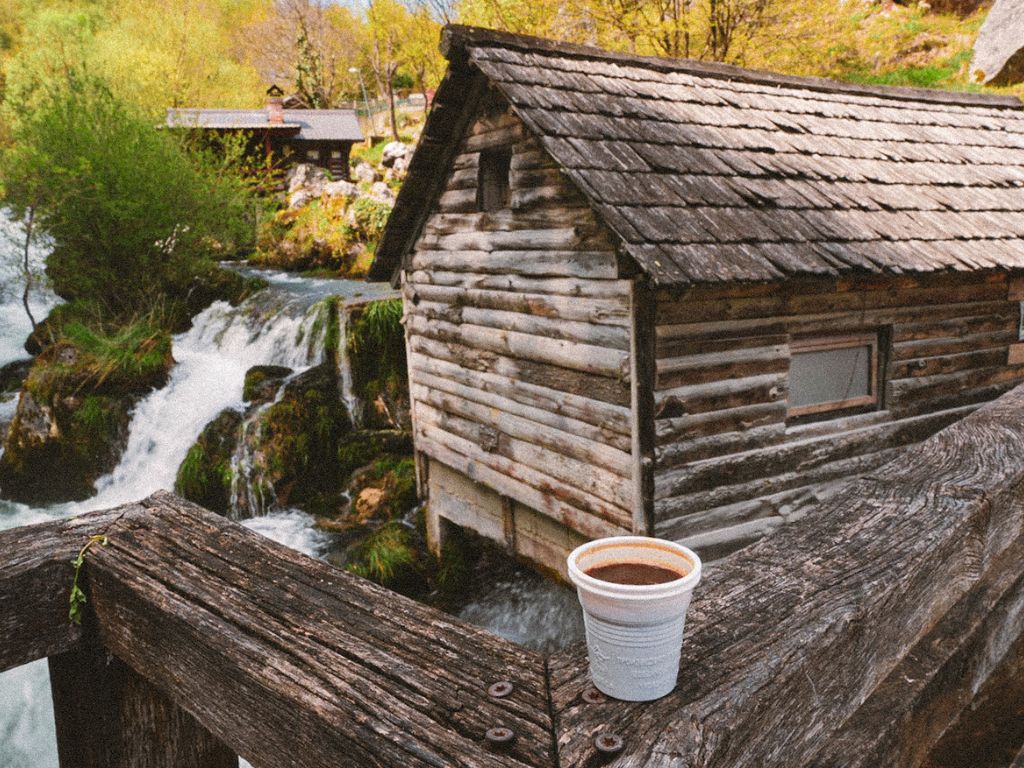
Behind the mill and everything on offer here is a family whose business grew out of love for tradition and for this place, which never stops, winter or summer. The team at the mill by the bridge on the Krupa always greets guests with a smile that needs no explanation, the one that says “welcome, this is ours and we are proud of it”. That smile, coffee in a plastic cup by the waterfall and buckwheat fritters in a paper napkin: a kind of hospitality you cannot order from any food guide, and one that sends you back in time at the speed of light.
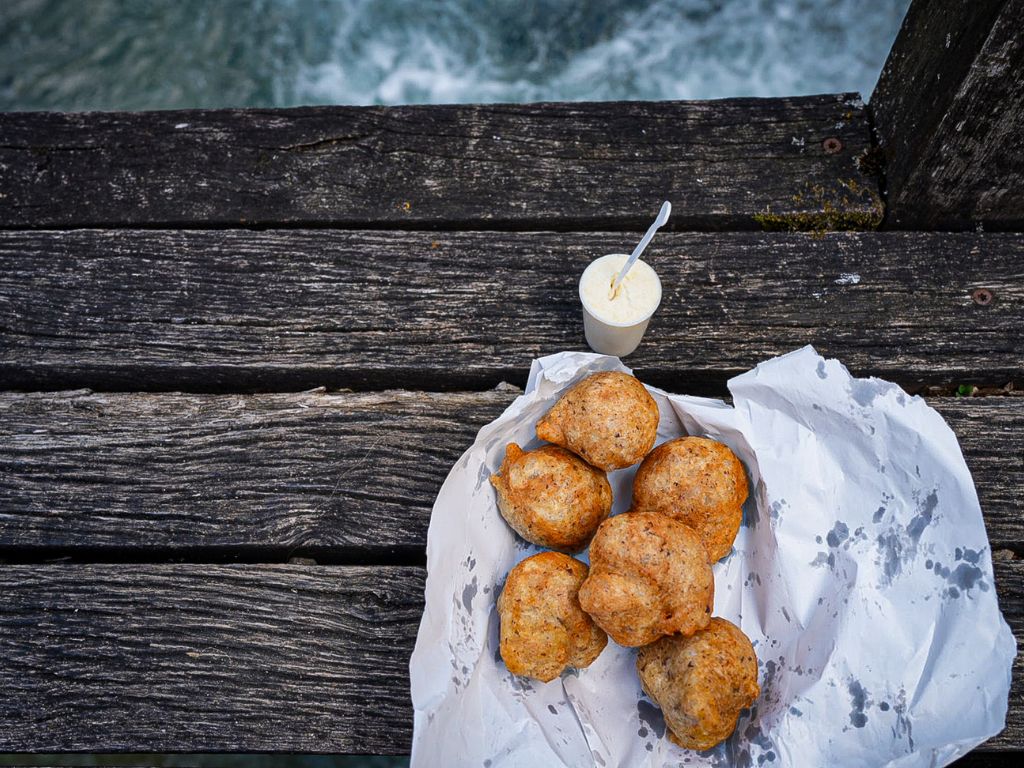
Buckwheat fritters with kajmak: a bite with an address
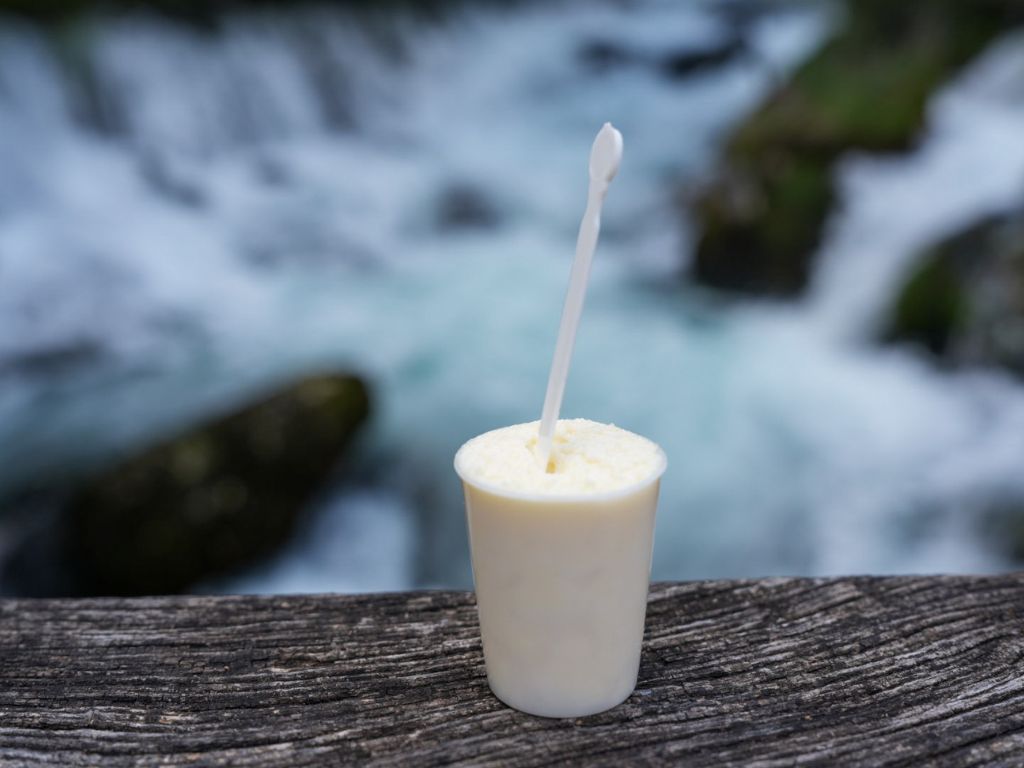
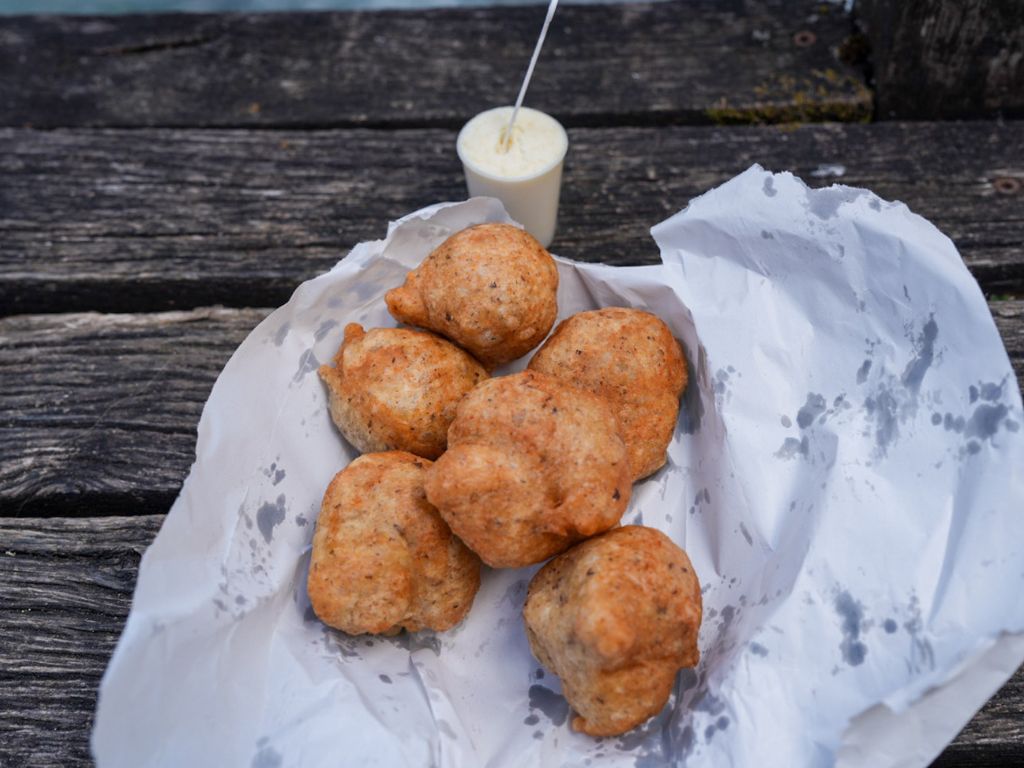
Fritters made from buckwheat flour ground in the mill in front of you, fried on the spot and served warm in a paper napkin with kajmak as white and thick as kajmak should be: a combination that needs no decoration or special description. Buckwheat is full of flavour on its own, nutty, slightly earthy, with a richness as different from wheat dough as homemade is from industrial. The kajmak (a rich, clotted dairy cream) rounds it all off and, spread on a warm fritter to the sound of water, becomes perfect.
Eating them on the bridge in Krupa, with the river rushing below and the waterfalls white in the distance, is an experience that is not marked on any map but stays in your memory long after you get home.
Flour to take home
The family also sells flour straight from the mill: buckwheat, wheat and corn, all stone-ground, with no additives and no industrial process to take away what matters most. Buying a kilo of buckwheat flour from Krupa na Vrbasu is not just buying groceries; it is a piece of the story that lives on in your kitchen.
For anyone coming with children, seeing water turn the millstone, grain become flour and that flour turned straight into fritters is one of those rare learning moments children remember better than any school lesson.
Krupa na Vrbasu: more than one reason to go
Krupa na Vrbasu needs no introduction for anyone who has been once: waterfalls, watermills, the Monastery of St Elijah, the Stone Bridge, Greben fortress and adventures on the Vrbas keep people coming back. But buckwheat fritters by the mill, the detail that is not in the brochures but that you find by walking and stopping by chance, is what visitors from the diaspora and abroad take home as something they cannot find anywhere else.
Taste & Rate editors’ tip
Come hungry, but not too hungry, because the fritters are surprisingly filling. Order a coffee in a plastic cup and drink it by the waterfall. Buy some flour to take home. And stay a little longer than you planned: Krupa always gives you a reason.