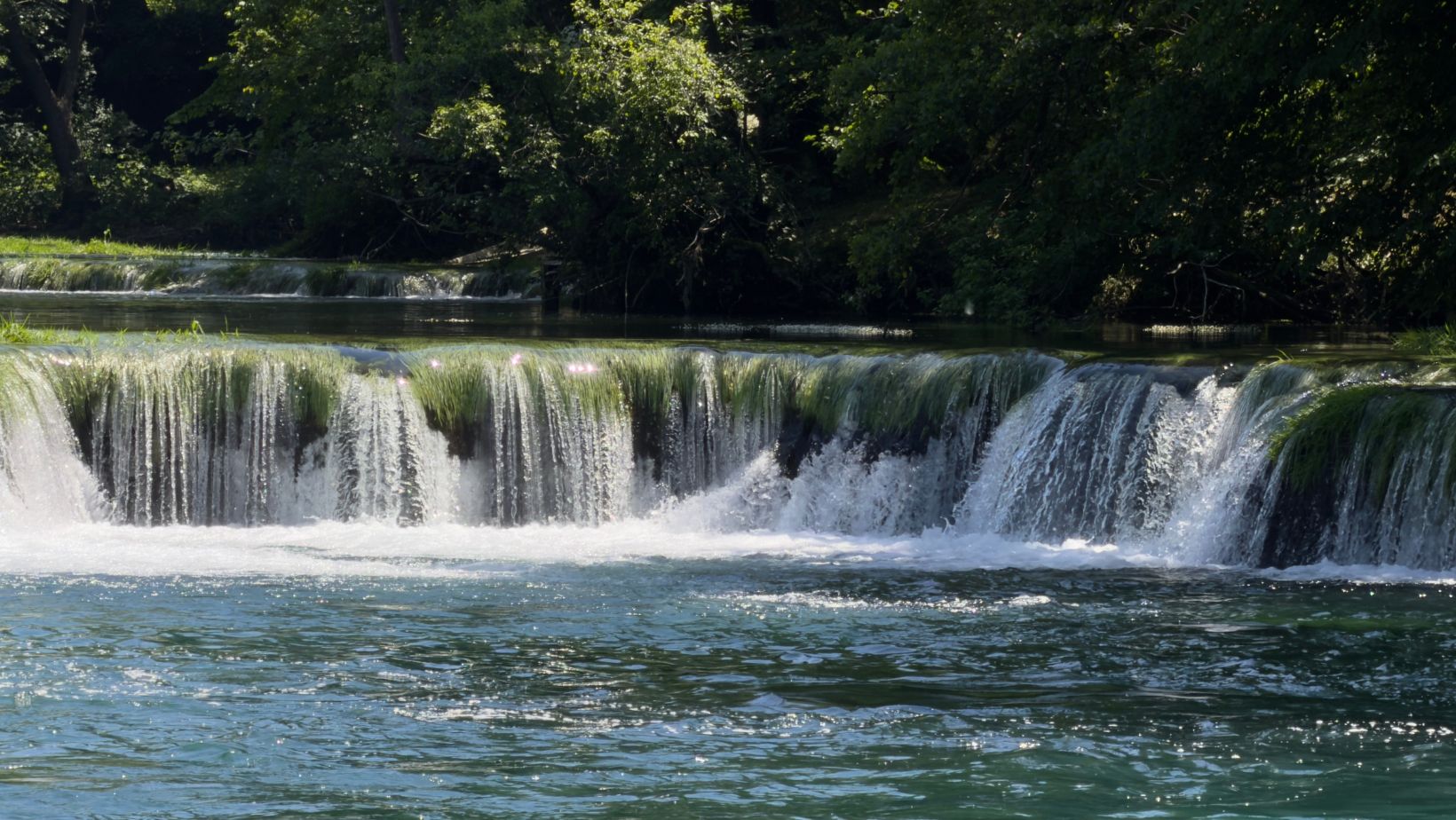
There are many legends about this river, but the favourite is the one about its name. The Romans travelled the world and saw many rivers. When they reached this part of western Bosnia and saw emerald water crashing over travertine barriers into clouds of white foam, they gave it a name that left no room for doubt: Una, “the only one”. Not the most beautiful of many, but the only one of its kind, and anyone who has stood on its banks would struggle to dispute the title.
A river that crosses borders and runs through a national park
The Una is 212 kilometres long and forms the natural border between Bosnia and Herzegovina and Croatia, passing partly through Republika Srpska on its middle course. But its modern story begins in 2008, when Una National Park was founded near Bihać. In 2024 the park recorded around 167,000 visits, up more than 7% on the previous year: clear proof that the Una is no longer a secret kept by locals.
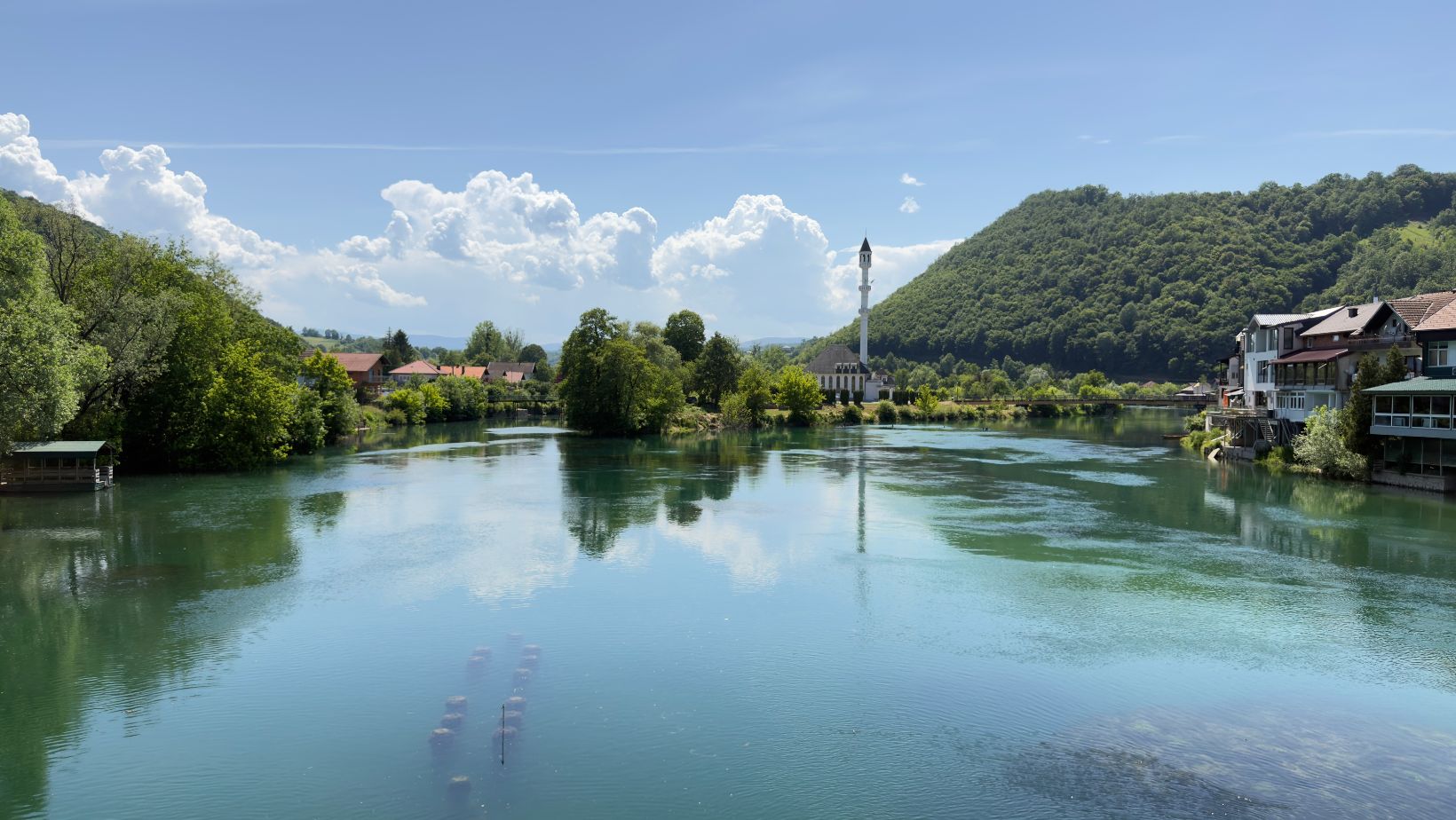
The water is cold, crystal clear and that recognisable emerald colour that looks almost unreal in photos and even stronger in person. It is not chance or a filter: it comes from the limestone the river flows through, which gives it its unique clarity and colour.
Štrbački buk, a pearl waiting for the UNESCO list
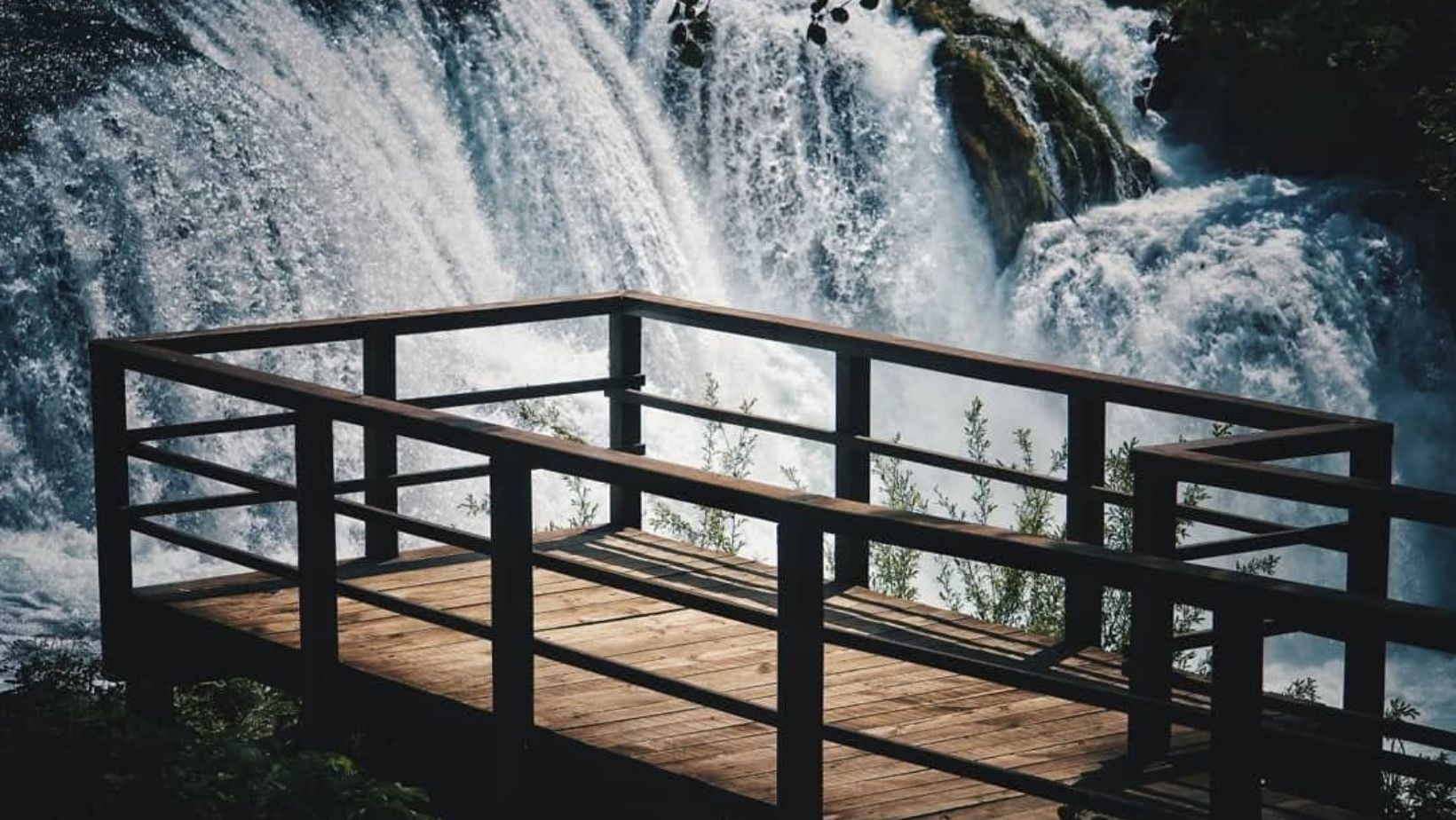
If the Una has one face known across the region, it is Štrbački buk, a waterfall 23 to 25 metres high, the tallest on the river and the biggest natural attraction in Bosnia and Herzegovina. It falls over three travertine steps 40 metres wide, and you hear its power before you see it.
There is even an initiative to add Štrbački buk to the UNESCO World Heritage list, and once you see it, it is easy to understand why. A boardwalk of about 400 metres leads to viewpoints that show the falls from different angles, with information boards about the park’s plants, wildlife and cultural heritage along the way. Entry to the Štrbački buk visitor zone costs 12 KM for adults.
Martin Brod, the Una’s other face, just as powerful
Fifteen minutes’ drive from the rafting centre in Bihać is Martin Brod, a complex of falls that includes Milančev buk, the largest waterfall on the Una by area. This small riverside village is also known for Rmanj Monastery, built in 1443 and dedicated to St Nicholas, proof that the Una is not only a natural wonder but a living witness to the region’s history.
Rafting that never gets boring
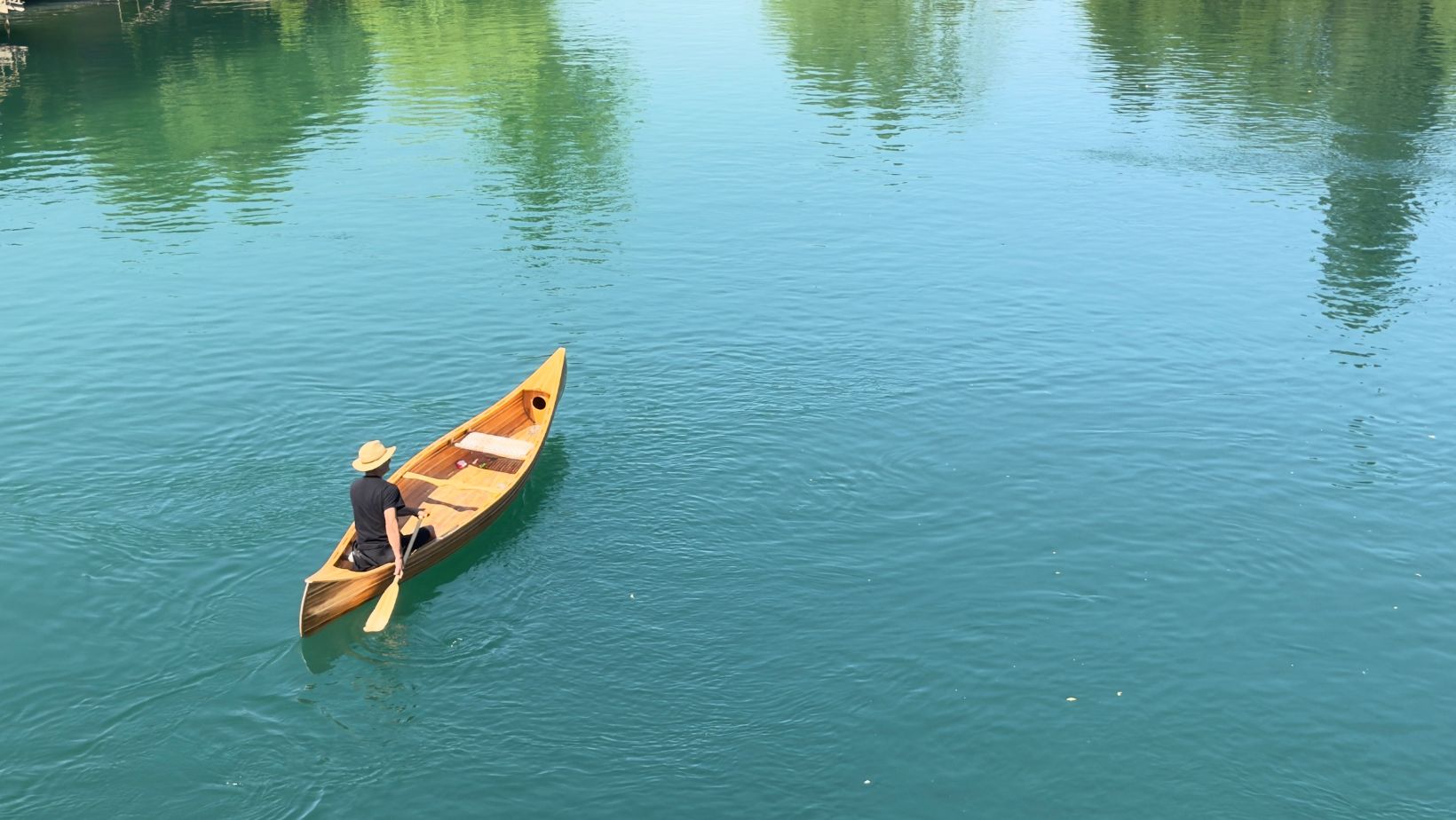
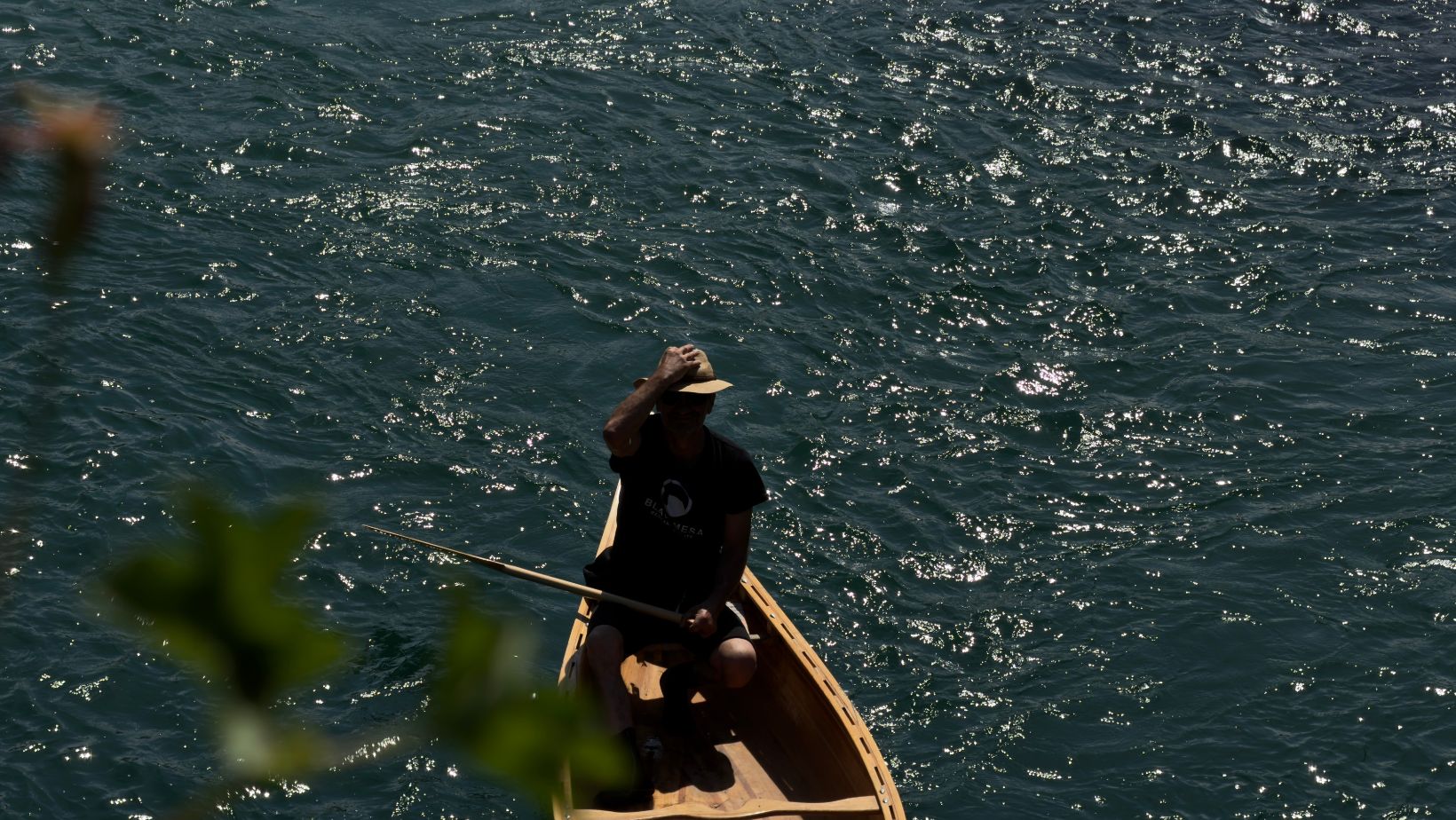
The Una is not a river to watch from the bank; it invites you in. Rafting trips start right below Štrbački buk and run through the heart of the national park, past emerald cascades and under moss-covered rocks, in scenes that seem to come from another world.
The descent is designed to be safe for first-timers (the minimum age is seven) yet never dull for experienced adventurers. All the agencies running rafting, kayak and canoe trips on the Una work with licensed skippers, registered boats and insured equipment for every participant.
Anyone who tries rafting on the Una quickly understands how different it is from the calmer rivers of the region: wild, full of cascades and character, but never unpredictable in the hands of a good guide.
Bosanska Otoka, a sight found nowhere else in Europe
Downstream, in Bosanska Otoka near Bosanska Krupa, the Una keeps another wonder worth the detour. The town mosque stands on a small river island, surrounded by water and reachable only by a bridge: the only mosque in Europe built on a river island. The first version was built in 1565, and despite centuries of floods and other hardships this “green island” still stands as a quiet witness to the strength and endurance of the region.
What else does the Una offer?
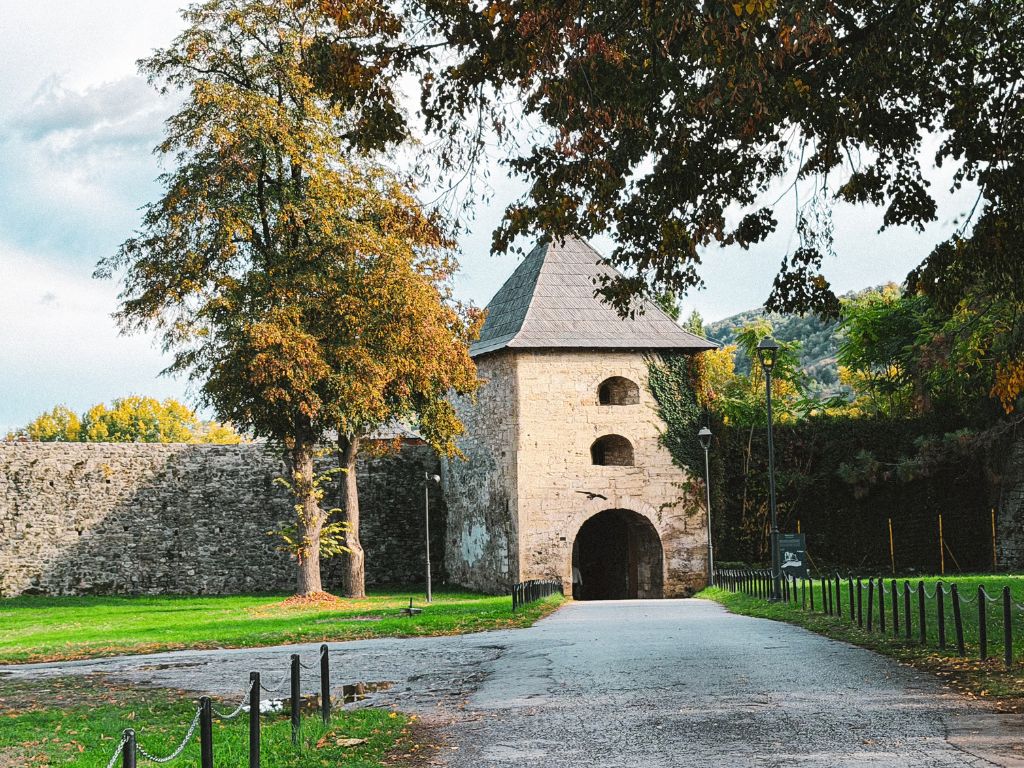
Una National Park is home to many rare and protected plant and animal species, and there is far more to see than the waterfalls. Hiking trails, cycling routes, Ostrožac fortress above the river and the Japod islands in Račić, an archaeological and cultural site surrounded by greenery, give you even more reasons to visit this part of Bosnia and Herzegovina.
And after a day on the water, local food completes the story: fresh grilled trout and homegrown potatoes taste especially good after rafting.
Taste & Rate editors’ tip
Give the Una a whole day, not just a few hours, and if you love nature, give it several. Start at Štrbački buk, walk the marked trails, feel the river’s power on a rafting trip and end the day with trout by the water. It is easiest to reach by car from Bihać. The season runs from spring to autumn: in summer the water is warmer for swimming, while in spring the flow is strongest and the falls most impressive. The whole 212 km of the Una is impressive and full of things to do, so plan your route properly, from Martin Brod through Bihać, Bosanska Krupa and Bosanska Otoka to Novi Grad and Kostajnica. You will not regret it.
Photos
Visitor reviews
No reviews for this place yet. Yours will be the first one others read.